Guardianes del Páramo
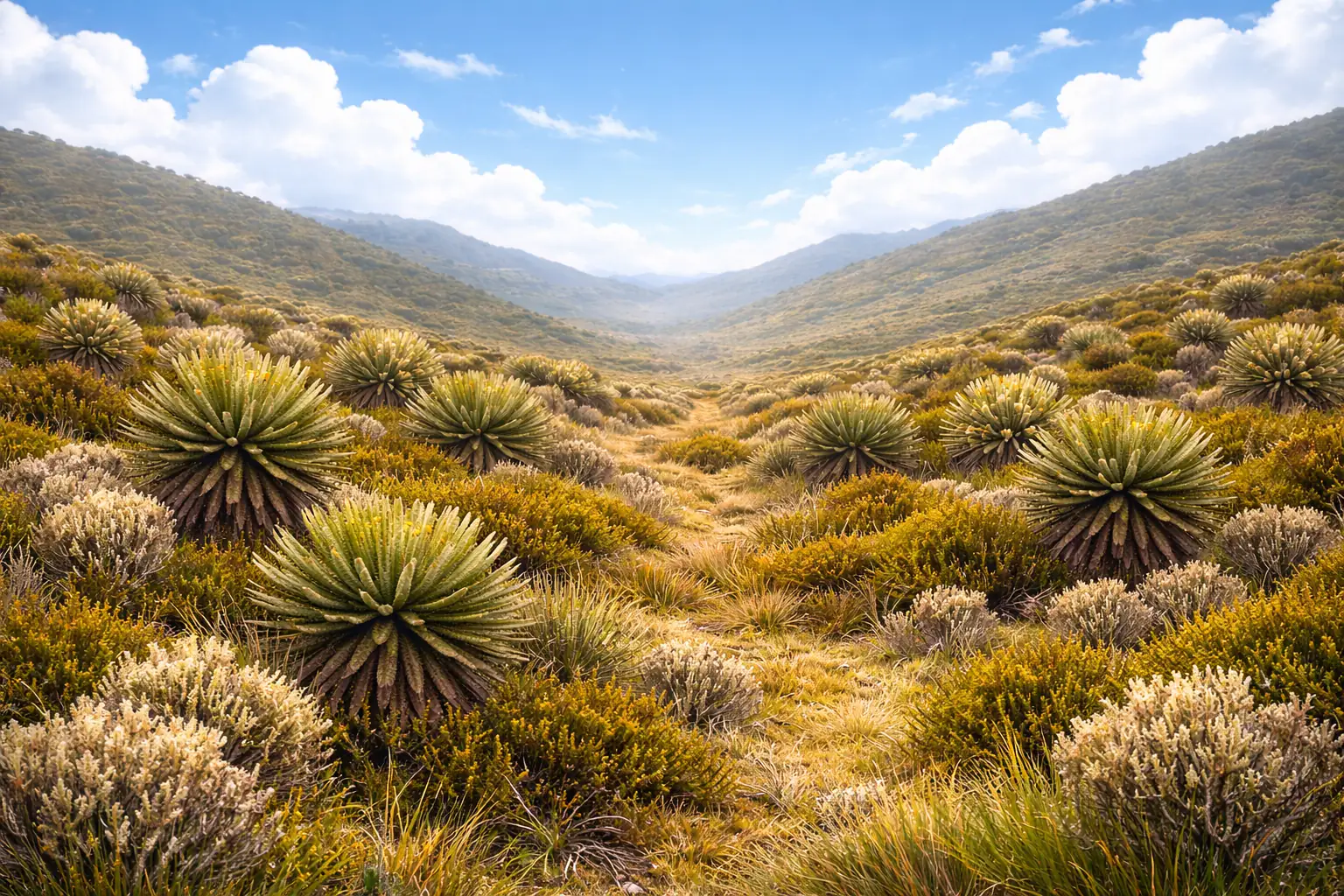
Chingaza National Natural Park, located in the Eastern Cordillera of Colombia, is one of the most representative protected areas in the country due to its biological diversity and its strategic role in water regulation in the central region of the national territory. According to Parques Nacionales Naturales de Colombia (2018), the park covers eleven municipalities, seven belonging to the department of Cundinamarca (Fómeque, Choachí, La Calera, Guasca, Junín, Gachalá, and Medina) and four to Meta (San Juanito, El Calvario, Restrepo, and Cumaral), and it preserves páramo and high Andean forest ecosystems that are essential for water provision and the persistence of numerous species. Regarding its water contribution, the Chingaza system is fundamental to Bogotá’s water security, as it supplies approximately 70% of the water consumed by the city (Empresa de Acueducto y Alcantarillado de Bogotá, 2019).
Figures: 531 bird species recorded in the park and its buffer zone (Linares-Romero et al., 2020); 76,600 hectares according to Colombia’s National Natural Parks; about 70% of Bogotá’s water according to the Empresa de Acueducto y Alcantarillado de Bogotá (2019).
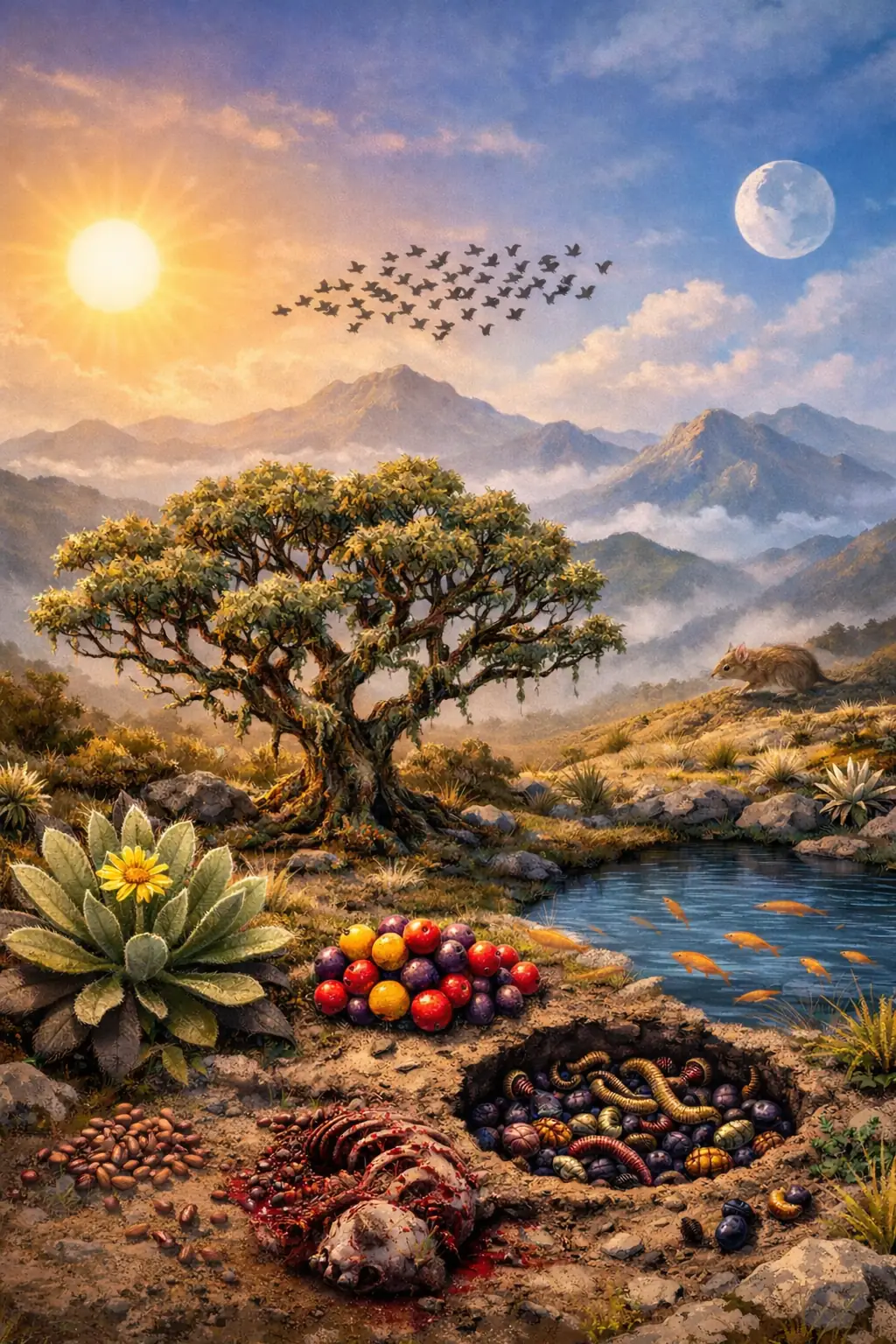
In Chingaza National Natural Park, birds play a key role in maintaining the ecological balance of páramo and high Andean forest ecosystems. Many species actively participate in seed dispersal, which favors the natural regeneration of vegetation and connectivity among different areas of the park. Likewise, they contribute to insect control, helping to regulate populations that could affect ecosystem health, and to nutrient cycling by redistributing organic matter within the environment (Dinesh et al., 2023). The high diversity of birds recorded in Chingaza reflects the presence of multiple ecological roles, making this group a fundamental component for the maintenance of ecological processes and ecosystem services associated with páramo conservation and regional water regulation (Linares-Romero et al., 2020).
Chingaza National Natural Park has received significant international recognition for its ecological value: in 2008 it was designated as an Important Bird Area (IBA) by BirdLife International, due to its crucial role in the protection of numerous bird species and because the area was identified as a critical and irreplaceable site (BirdLife International, s. f.). That same year, the Chingaza Lake System was included on the List of Wetlands of International Importance under the Ramsar Convention, protecting approximately 4,058 hectares of wetlands essential for aquatic species and for the provision of regional water services (Ramsar Convention Secretariat, 2008).
Check the hours, reservations and entry rules.
National Natural Parks of Colombia is the state entity responsible for protecting and managing the areas of the country declared as national parks, wildlife and flora sanctuaries, natural reserves, and other conservation categories. Its origin dates back to the mid-20th century, arising from the recognition of the need to conserve strategic ecosystems in the face of population growth, agricultural expansion, and accelerated biodiversity loss. The institutional history formally began in 1960 with the declaration of the country’s first national natural park: Cueva de los Guácharos, an event that marked the starting point for the formation of the National Natural Parks System (Parques Nacionales Naturales de Colombia, 2020).
Although its first advances emerged from practice, the legal consolidation of the system occurred in 1974 with the enactment of Decree 2811 of 1974, the National Code of Renewable Natural Resources and Environmental Protection. This decree established guidelines for the creation, management, and protection of natural areas and defined the importance of conserving territories representative of Colombia’s geography and biodiversity (Ministerio de Ambiente y Desarrollo Sostenible, 1974).
Subsequently, the 1991 Political Constitution strengthened the political foundation of environmental conservation by establishing the right of all people to a healthy environment and the obligation of the State to protect environmental diversity and integrity. It also mandated the preservation of areas of special ecological importance, within which national parks acquired a central role (Constitución Política de Colombia, 1991, art. 79–80). These provisions elevated environmental protection to a constitutional mandate and consolidated the country’s modern conservation approach. A determining event for the current structure of National Natural Parks was the enactment of Law 99 of 1993, which created the National Environmental System (SINA). Through this law, the entity was recognized as a Special Administrative Unit, attached to the Ministry of Environment, with technical autonomy for the management of the country’s protected areas. This change strengthened its administrative capacity, expanded its territorial scope, and enabled coordination with other environmental sector institutions (Ley 99 de 1993).
The creation of National Natural Parks also responds to a global context. During the 20th century, international organizations such as the International Union for Conservation of Nature promoted the establishment of protected areas as a conservation strategy in response to accelerated ecosystem loss. Colombia’s first protected areas were part of this international movement, which sought to safeguard representative spaces to ensure the continuity of essential biological processes (UICN, 2010).
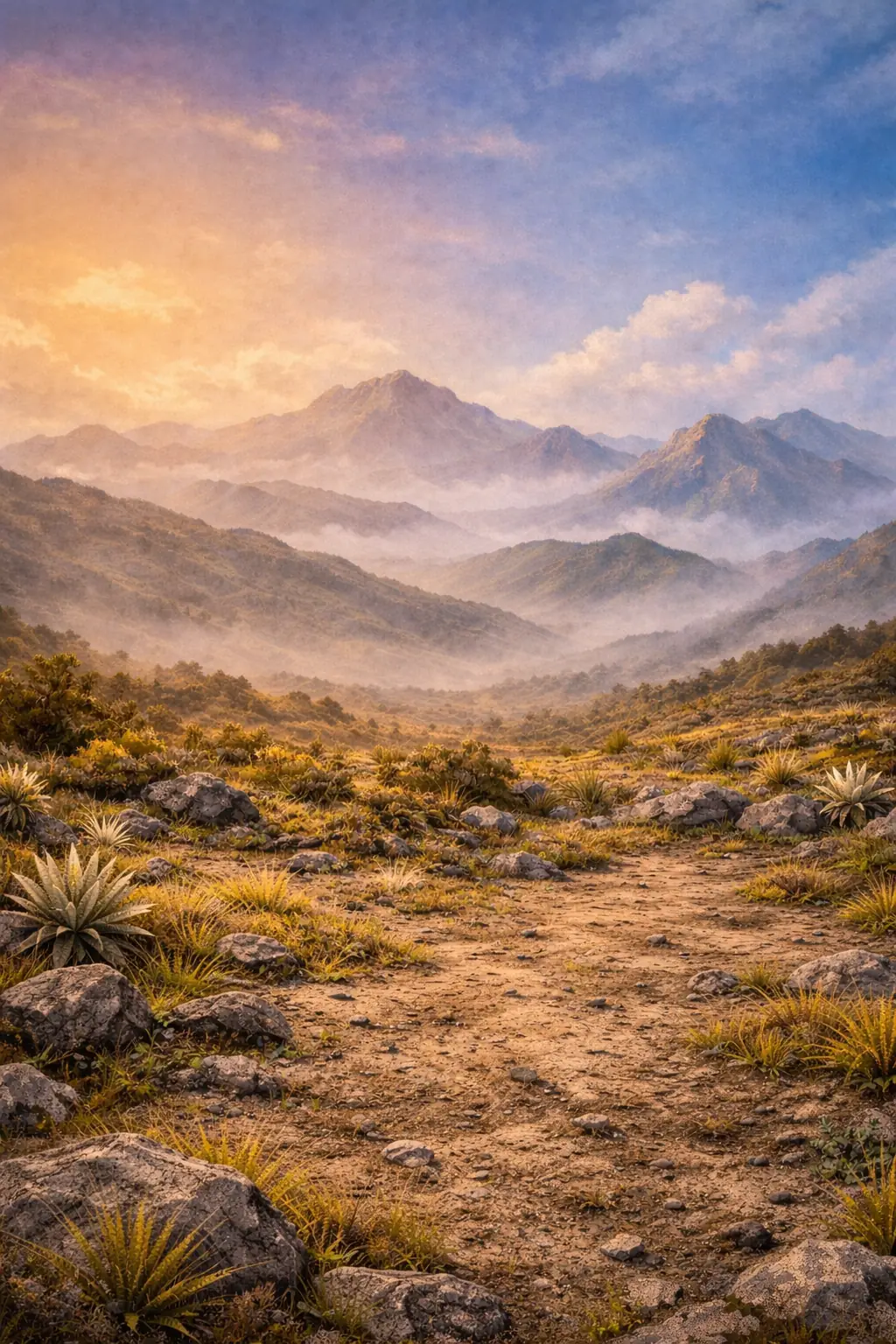
The name Chingaza originates from the ancestral knowledge of the Muisca Indigenous peoples, who historically inhabited Colombia’s Eastern Cordillera and attributed a deeply spiritual meaning to this territory. For these communities, the region was not merely a geographical space, but a sacred place where mountains, páramos, and lagoons played a central role in their relationship with water, fertility, and the balance of life. Archaeological and historical evidence indicates that Chingaza was part of a set of ritual landscapes where ceremonies, offerings, and symbolic journeys were carried out, guided by cultural norms based on respect for nature. This way of understanding the territory reflects a close and careful relationship between humans and the natural environment, a vision that precedes and gives meaning to the current conservation approaches that today protect Chingaza National Natural Park (Instituto Colombiano de Antropología e Historia, 2016).
Chingaza National Natural Park is one of the most important protected areas in Colombia due to its biological diversity and its strategic role in water regulation in the central region of the country.
Its creation was formalized in 1977 through Agreement 15 of the Board of Directors of the National Institute of Renewable Natural Resources and Environment (INDERENA), approved by Executive Resolution 154 of 1977 of the Ministry of Agriculture, with the objective of protecting páramo, subpáramo, and high Andean forest ecosystems of the Eastern Cordillera, as well as the associated flora, fauna, and water resources (Parques Nacionales Naturales de Colombia, Resolution 030 of 2007).
The protected area was expanded in 1978 through INDERENA Agreement 01 and re-delimited in 1998 through Resolution 0550 of the Ministry of the Environment (Parques Nacionales Naturales de Colombia, Resolution 030 of 2007).
The park’s designation is grounded in Colombia’s environmental legal framework, particularly Decree 2811 of 1974, the 1991 Political Constitution, and Law 99 of 1993, which consolidated biodiversity conservation as a duty of the State and positioned Chingaza within the National Environmental System (Constitución Política de Colombia, 1991; Ley 99 de 1993).

For the Muisca peoples, the páramos and lakes of the region were sacred places (Instituto Colombiano de Antropología e Historia, 2016).
INCORA reserves and declares the area (Resolution 065 of 1968).
INDERENA changes the area’s status from National Natural Park to Protective Forest Zone (Agreement 24 of 1971).
Chingaza National Natural Park is reserved, demarcated and declared (INDERENA Agreement 15, approved by Executive Resolution 154).
The park is expanded (INDERENA Agreement 01 and Executive Resolution 70).
The Ministry of the Environment expands and re-delimits the park again (Resolution 0550).
The park’s management plan is adopted (Resolution 030 of 2007).
The Chingaza Lake System enters the List of Wetlands of International Importance (Ramsar site, 25 June 2008).
Sources: Parques Nacionales Naturales de Colombia (Resolution 030 of 2007) and Ramsar Convention Secretariat (2008).
From an ecological perspective, Chingaza hosts high-mountain ecosystems that support a wide diversity of species adapted to extreme conditions.
The park’s vegetation is dominated by frailejones and other plant formations typical of páramo ecosystems, which are fundamental for water capture, storage, and regulation (Instituto Humboldt, 2018).
Likewise, the park’s fauna includes mammals and a highly significant avifauna for conservation, with endemic and threatened species that make Chingaza a priority territory for the protection of high Andean biodiversity (Parques Nacionales Naturales de Colombia, 2023).
In addition to its ecological value, Chingaza National Natural Park fulfills a strategic function for the country’s water security.
A significant portion of the water that supplies the city of Bogotá originates from its lagoons, streams, and wetlands, highlighting the close relationship between páramo conservation, water availability, and human well-being (Empresa de Acueducto de Bogotá, 2019).
Chingaza National Natural Park is one of the most important protected areas in the Eastern Cordillera of Colombia due to its diversity of ecosystems, which include Andean forests, sub-Andean forests, and extensive páramo areas. This environmental heterogeneity allows for the presence of a high diversity of bird species, many of them characteristic of high-Andean environments and of great ecological relevance (Linares-Romero et al., 2017).
Knowledge about the birds of Chingaza has been built from different types of publications that address avifauna from complementary approaches. The Red Book of Birds of Colombia constitutes the main national reference for assessing the conservation status of species, analyzing their extinction risk, distribution, and threats. Although not all bird species present in Chingaza have been categorized as threatened, this work helps contextualize those park species that require special conservation attention (Renjifo et al., 2014; Renjifo et al., 2016).
Complementarily, ornithological field guides provide detailed information on the distribution, habitat, and behavior of species present in Chingaza. The Guide to the Birds of Colombia by Hilty and Brown (2001) and Birds of Colombia (Hilty, 2021) offer reliable descriptions that facilitate understanding of high-Andean bird ecology, while the Field Guide to the Birds of Colombia provides illustrations and maps that help specify their distribution range. At the local level, The Magic of the Birds of Chingaza specifically documents the presence and habitat use of numerous species within the park, constituting a key source for studying the avifauna of this protected area (Linares-Romero et al., 2017).
Click on each bird to discover a fun fact and see its full profile.
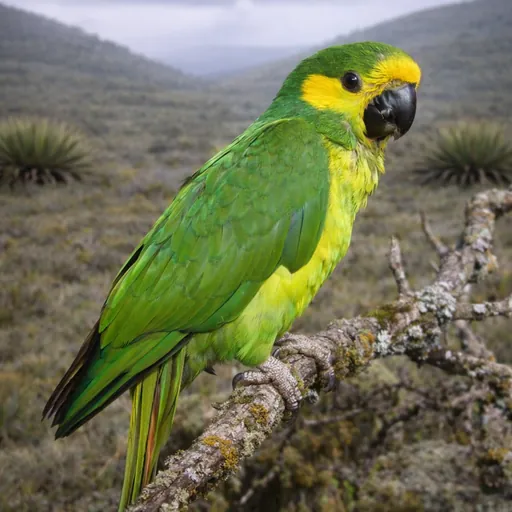
High-Andean parrot closely associated with wax palm forests, whose population in Colombia was on the brink of extinction due to habitat logging and illegal capture.
(Renjifo et al., 2014)
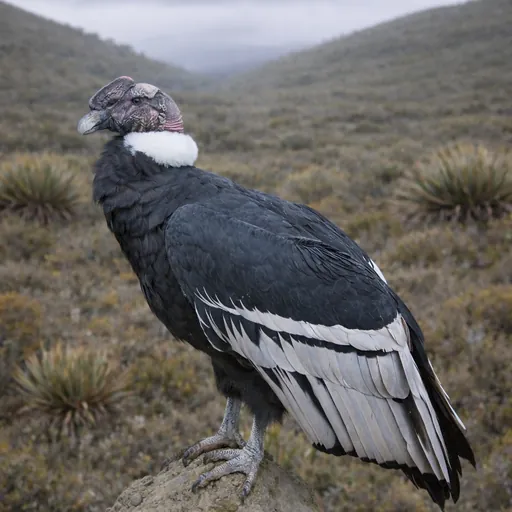
Iconic scavenger bird of high-Andean ecosystems, with small and fragmented populations in Colombia, affected by poisoning, direct persecution, and habitat loss.
(Renjifo et al., 2016)
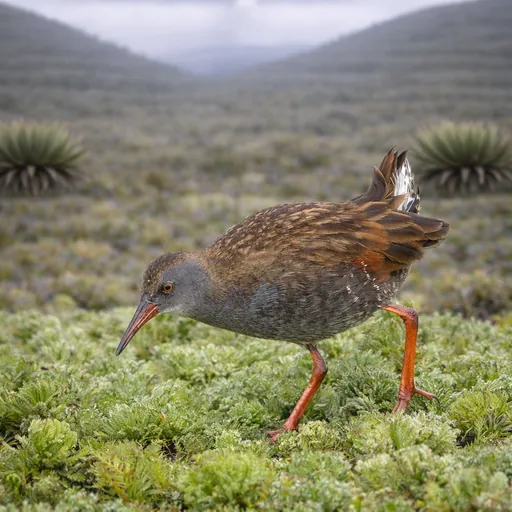
Endemic bird of the high-Andean wetlands of the Bogotá Savanna, severely threatened by destruction, fragmentation, and pollution of these ecosystems.
(Renjifo et al., 2016)
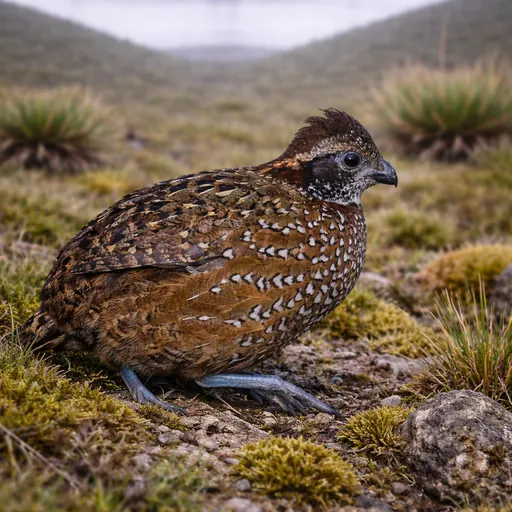
Terrestrial species endemic to the Eastern Cordillera, inhabiting humid montane forests, mainly affected by deforestation and fragmentation of Andean forests.
(Renjifo et al., 2014)
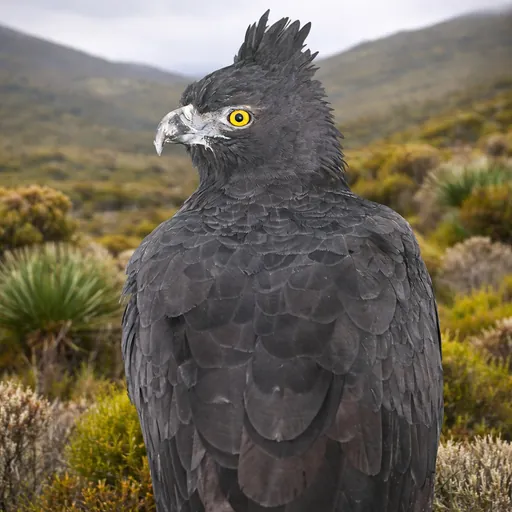
Large raptor of Andean and sub-Andean forests that requires extensive areas of continuous forest, threatened by deforestation and direct persecution.
(Renjifo et al., 2014)
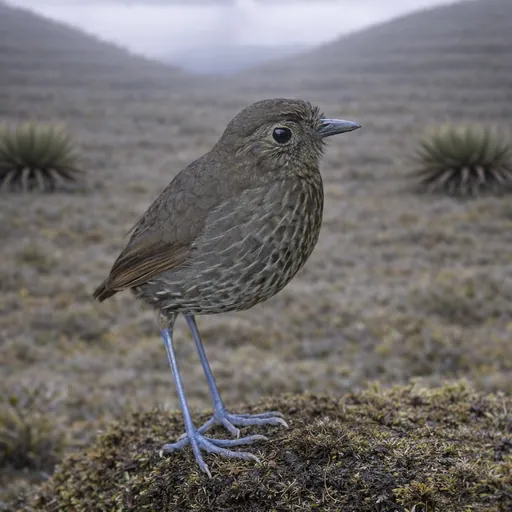
Terrestrial bird with extremely restricted distribution in montane forests of Cundinamarca, vulnerable to habitat loss and fragmentation.
(Renjifo et al., 2014)
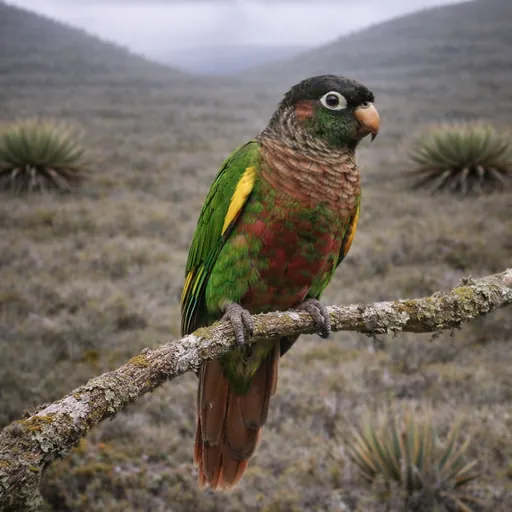
Endemic species of the Eastern Cordillera inhabiting humid montane and sub-Andean forests, whose populations have declined drastically due to deforestation and illegal capture.
(Renjifo et al., 2014)
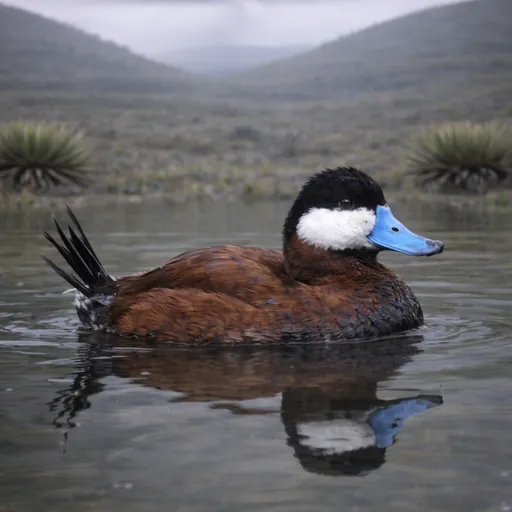
Aquatic species dependent on high-Andean wetlands, especially sensitive to the loss and pollution of these ecosystems.
(Renjifo et al., 2016)
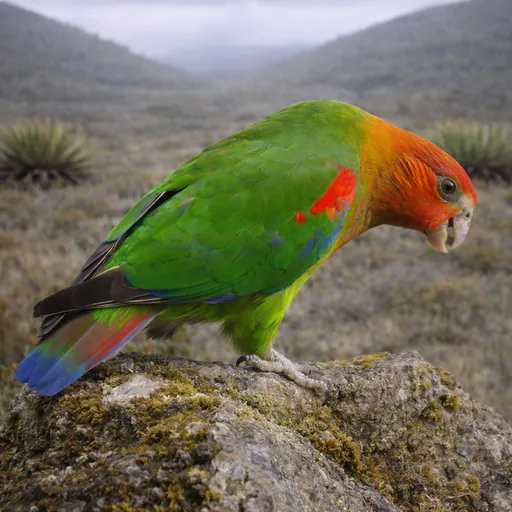
Andean parrot dependent on well-preserved montane forests, whose populations have declined as a result of deforestation.
(Renjifo et al., 2014)
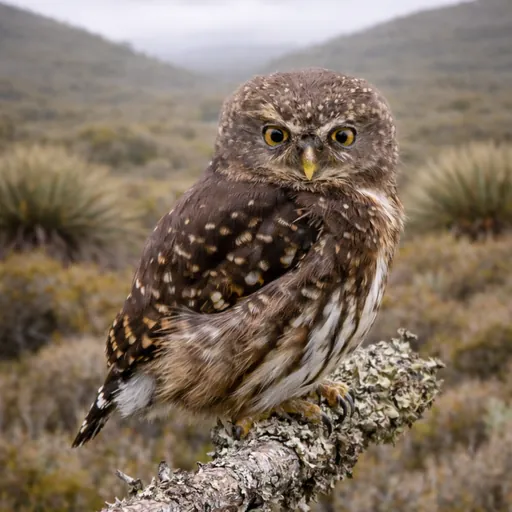
Small nocturnal raptor of Andean and sub-Andean forests, whose populations are affected by forest loss and fragmentation.
(Renjifo et al., 2014)
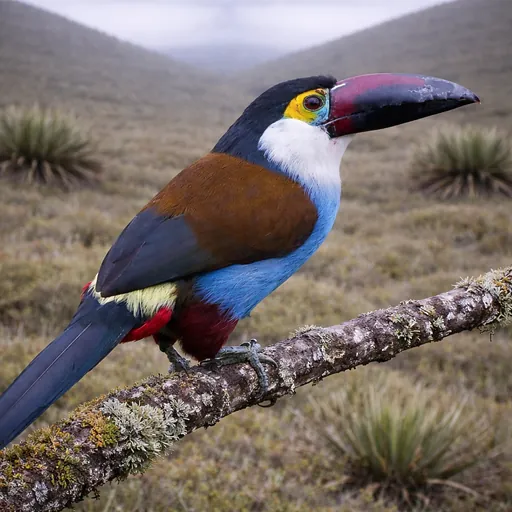
Frugivorous bird of Andean montane forests showing declining population trends due to habitat loss and fragmentation.
(Renjifo et al., 2014)
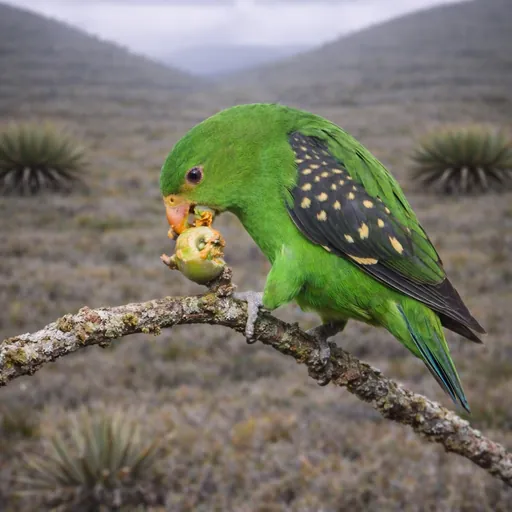
Parrotlet of Andean montane forests whose population has been affected by habitat loss and fragmentation, as well as capture for illegal trade.
(Renjifo et al., 2014)
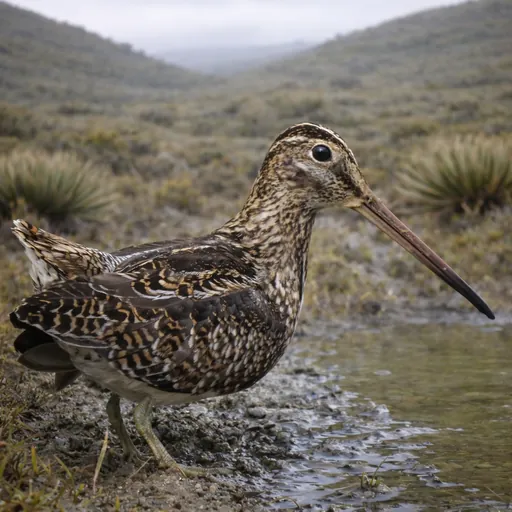
Cryptic bird of high-Andean wetlands and páramos, vulnerable to drainage and transformation of its natural habitat.
(Hilty, 2021)
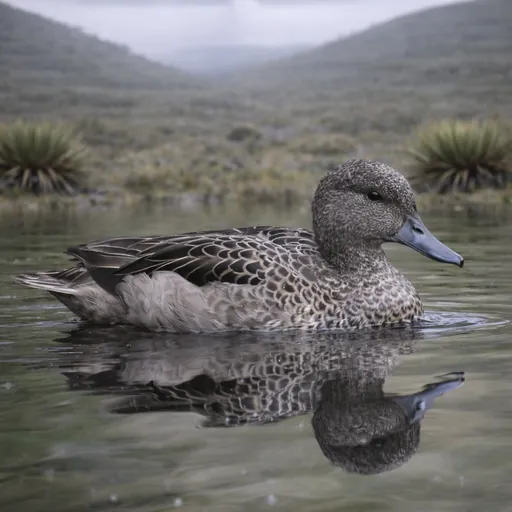
Aquatic bird frequently found in páramo and sub-páramo lagoons and wetlands, assessed as least concern due to its relatively wide distribution.
(Renjifo et al., 2016)
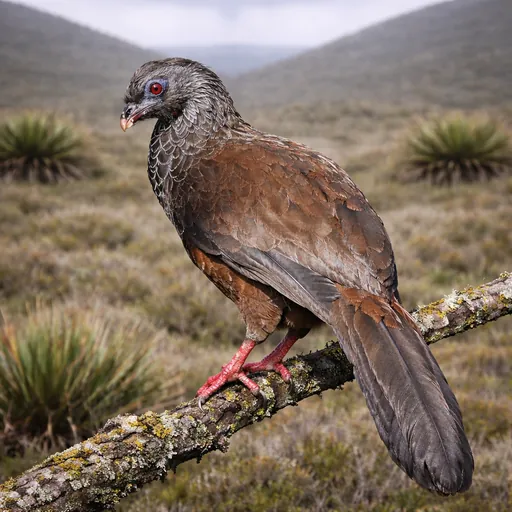
Frugivorous bird of montane and sub-Andean forests that plays a key role in seed dispersal and is not considered threatened at the national level.
(Hilty, 2021)
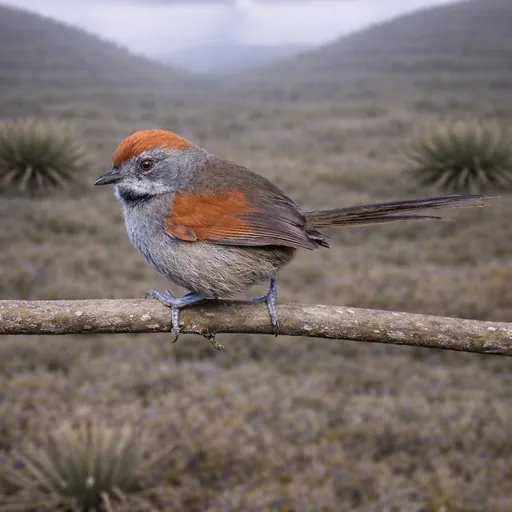
Endemic bird of high-Andean shrublands and forest edges that tolerates a certain degree of habitat disturbance.
(Hilty & Brown, 2001)
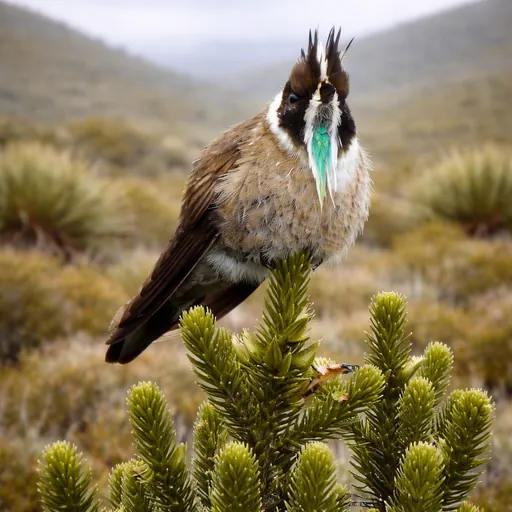
Emblematic hummingbird of Colombian páramos, associated with frailejón fields and high-mountain grasslands.
(Hilty, 2021)
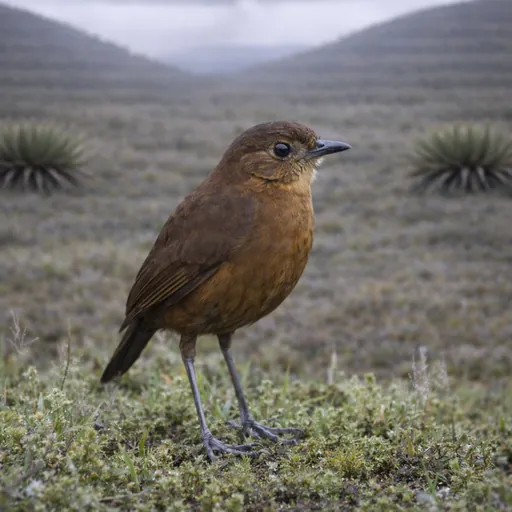
Terrestrial bird of Andean páramos and sub-páramos, with secretive behavior and difficult observation.
(Hilty, 2021)
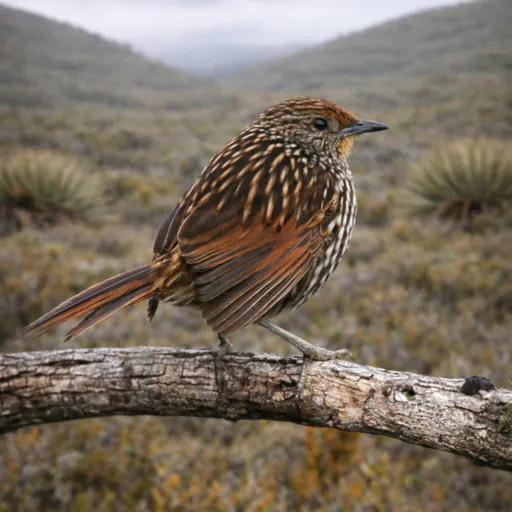
Characteristic species of páramos and high-Andean shrublands, actively moving through dense vegetation.
(Hilty, 2021)
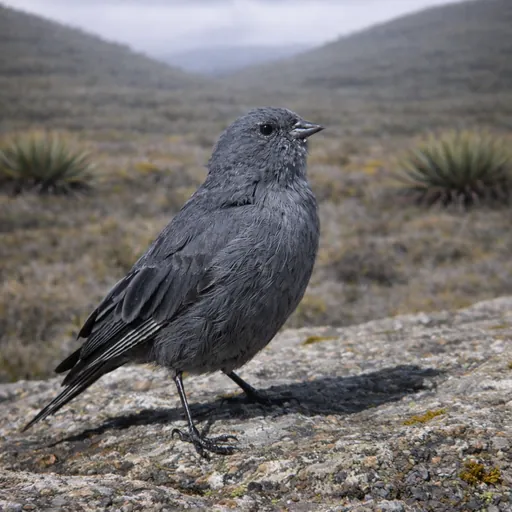
Common bird of open páramo environments and high-Andean zones, adapted to extreme climatic conditions.
(Hilty & Brown, 2001)
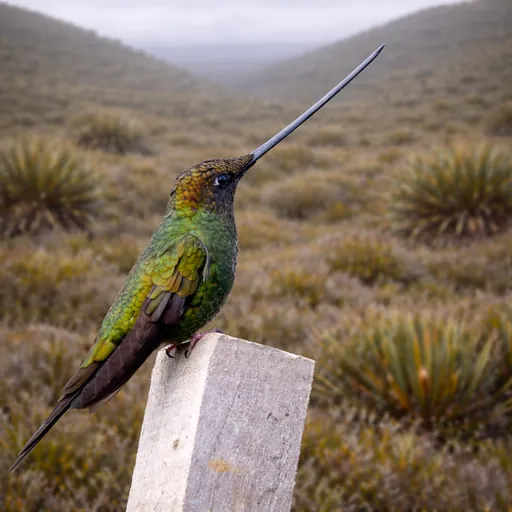
Remarkable hummingbird with the proportionally longest bill among birds, specialized in tubular flowers of high mountain ecosystems.
(Hilty, 2021)
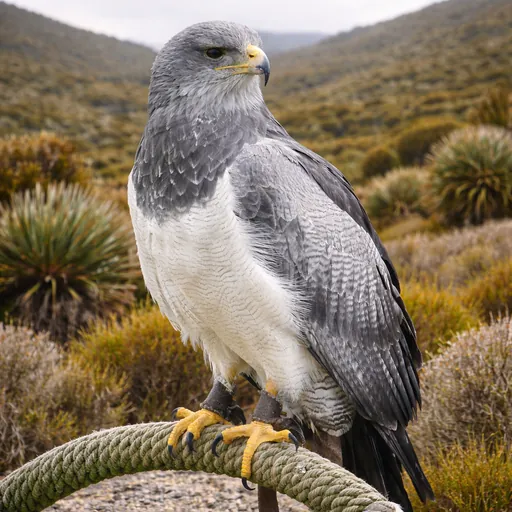
Large raptor of open high-Andean areas and páramos, frequently seen soaring over slopes and open landscapes.
(Hilty & Brown, 2001)
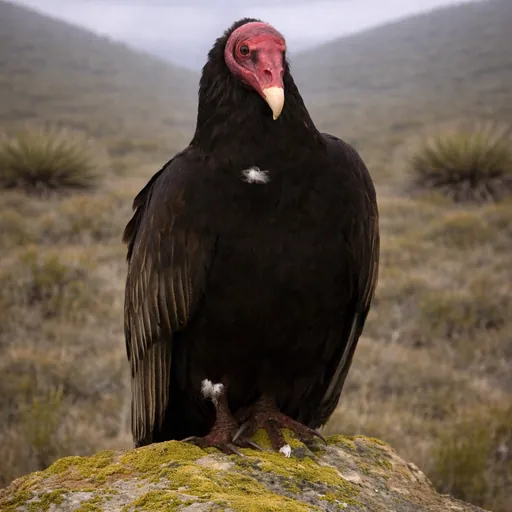
Widely distributed scavenger bird that fulfills a key ecological role in the removal of decomposing organic matter.
(Hilty & Brown, 2001)
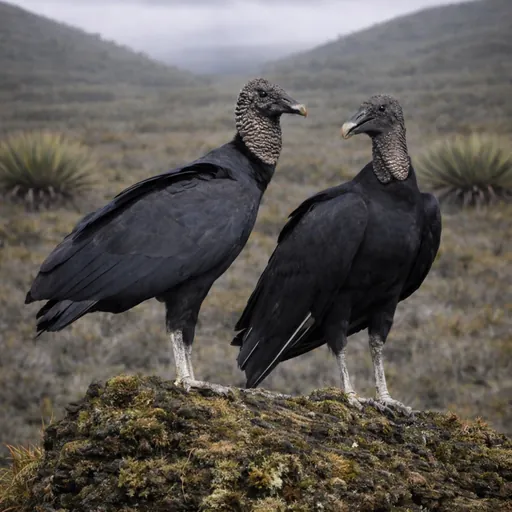
Highly adaptable species, frequent in open and transformed areas, commonly associated with human settlements.
(Hilty, 2021)
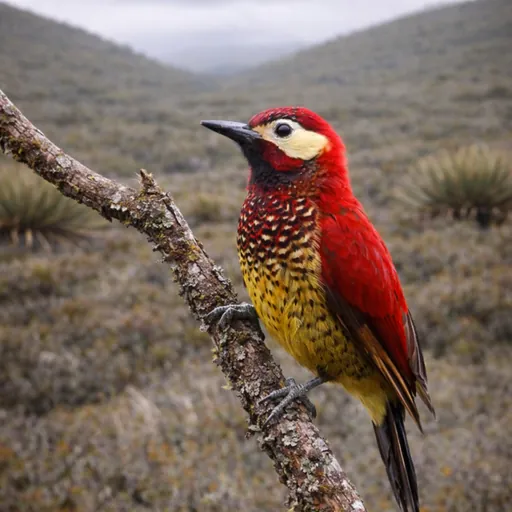
Large woodpecker of Andean montane forests, often feeding on the ground and tree trunks, contributing to insect control.
(Hilty & Brown, 2001)
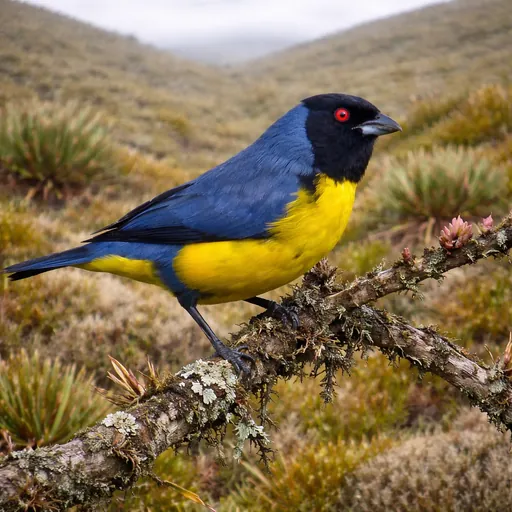
Large and colorful tanager of humid montane forests, usually observed in small groups or mixed-species flocks.
(Hilty, 2021)
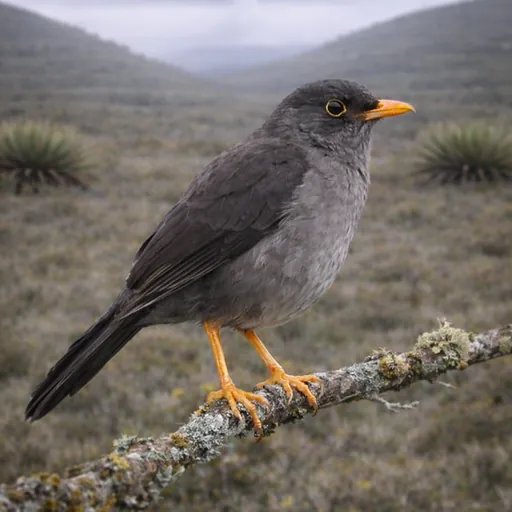
Very common and adaptable bird, frequent in open areas, gardens, and urban zones of the Colombian Andes.
(Hilty & Brown, 2001)
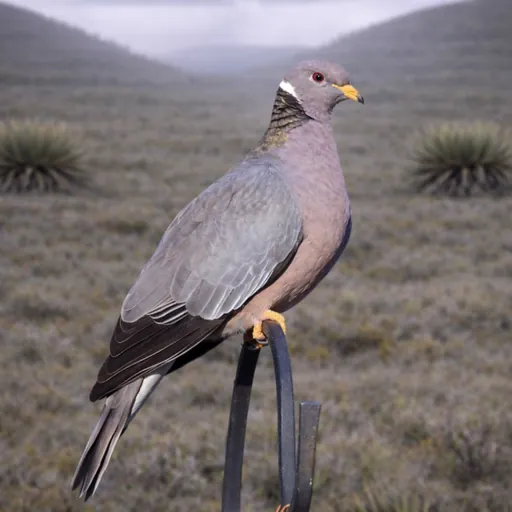
Frugivorous pigeon of Andean and sub-Andean forests that can form large flocks in areas with high food availability.
(Hilty, 2021)
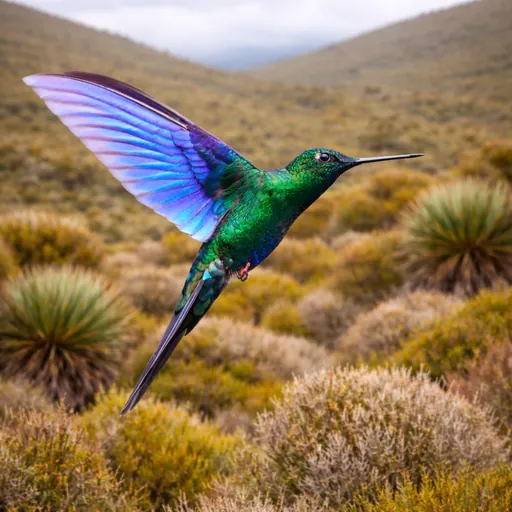
Large high-mountain hummingbird, characteristic of forest edges, high-Andean shrublands, and páramo ecosystems.
(Hilty, 2021)
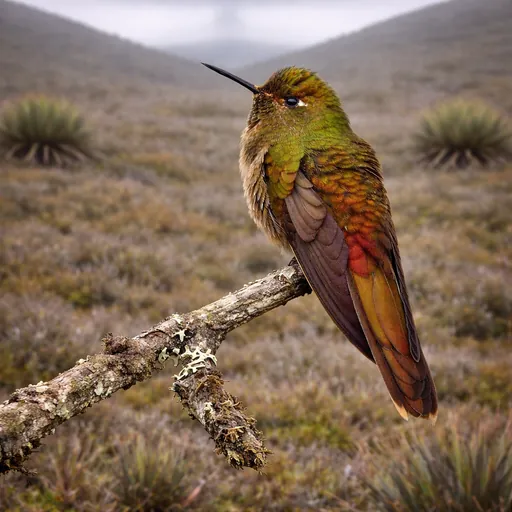
Small hummingbird specialized in páramo and sub-páramo ecosystems, adapted to extreme climatic conditions.
(Hilty, 2021)
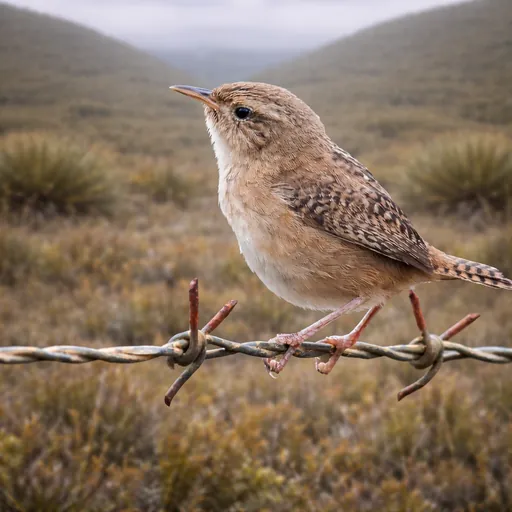
Small and very vocal bird of grasslands and high-Andean wetlands, active among the low vegetation of the páramo.
(Hilty & Brown, 2001)
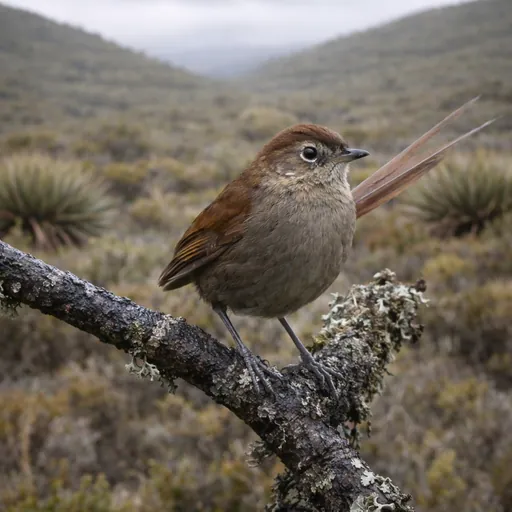
Discrete bird of dense shrublands and high-Andean forest edges, with elusive behavior and difficult observation.
(Hilty, 2021)
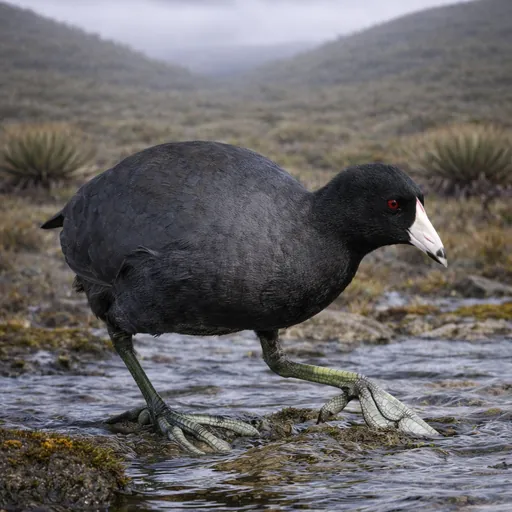
Aquatic bird frequently found in lagoons, reservoirs, and high-Andean wetlands, where it can occur at high population densities.
(Hilty & Brown, 2001)
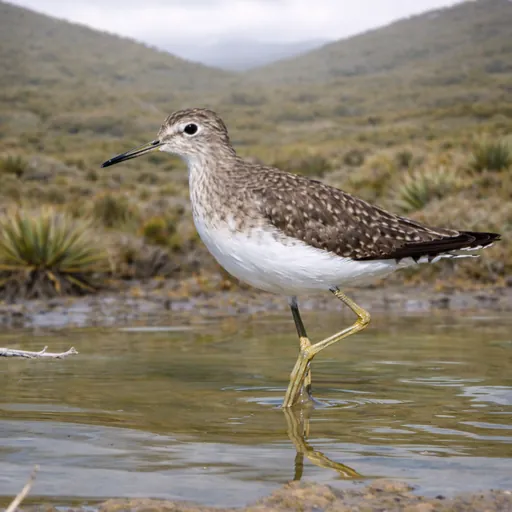
Boreal migratory bird that uses Andean and high-Andean wetlands during migration and the non-breeding season.
(Hilty, 2021)
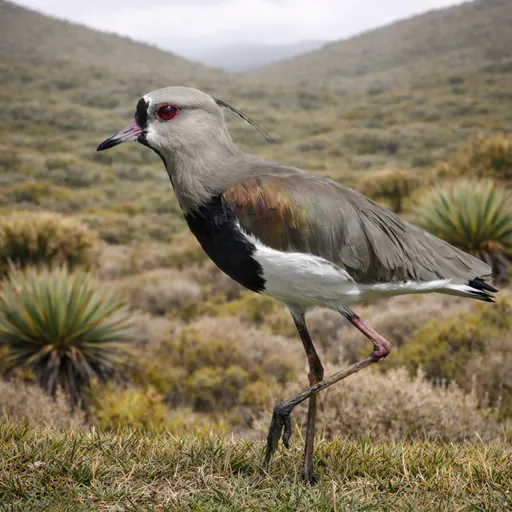
Territorial and noisy bird of open areas, pastures, and disturbed zones, easily recognized by its vigilant behavior.
(Hilty & Brown, 2001)
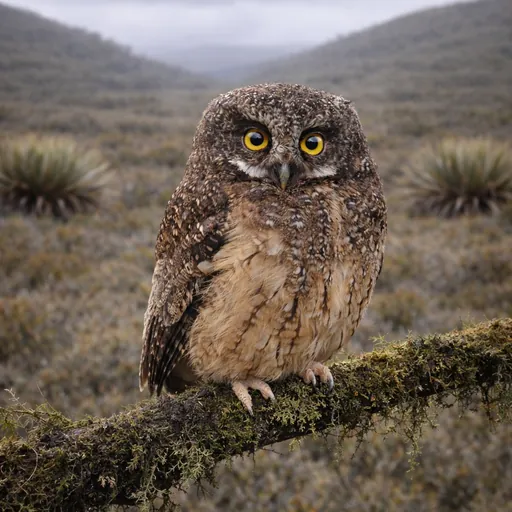
Small owl of Andean and sub-Andean forests, nocturnal in habits and usually detected by its vocalizations.
(Hilty, 2021)
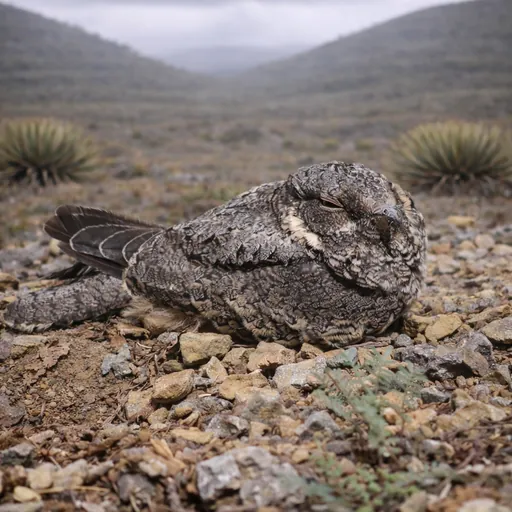
Nocturnal bird of open high-Andean areas and páramos, effectively camouflaged on the ground during the day.
(Hilty, 2021)
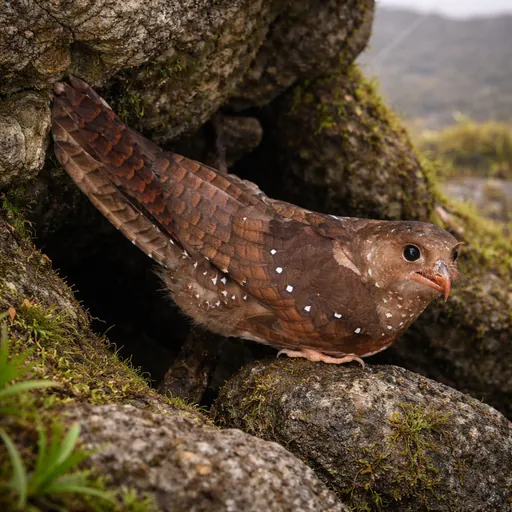
Nocturnal frugivorous bird that inhabits caves and caverns, known for using echolocation to navigate in darkness.
(Hilty, 2021)
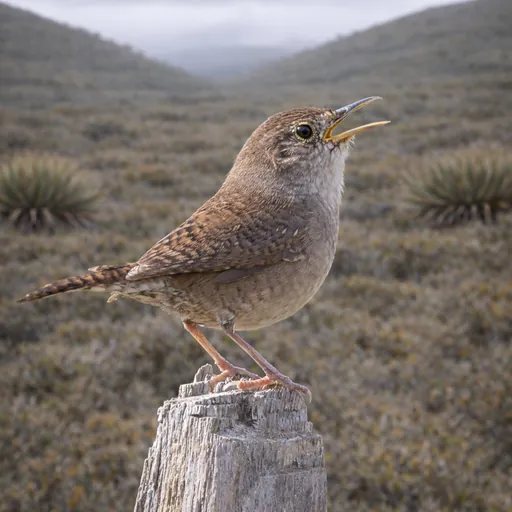
Small, very vocal, and highly adaptable bird, common in gardens, rural areas, and urban zones of the Andes.
(Hilty & Brown, 2001)
Avifauna conservation encompasses actions aimed at protecting bird populations, their habitats, and the ecological processes that ensure ecosystem stability. Birds fulfill key functions such as seed dispersal, insect control, and acting as indicators of environmental health, which makes their conservation directly linked to the maintenance of high-Andean ecosystems (Instituto Humboldt, 2018).
In páramo ecosystems, conservation becomes even more relevant due to the presence of species adapted to extreme environmental conditions, which face threats such as habitat fragmentation and climate change. Therefore, conservation strategies must focus on territorial protection, ecological restoration, and environmental education (Parques Nacionales Naturales de Colombia, 2023).
Threat categories are scientific tools that allow the assessment of species extinction risk based on criteria such as population size, geographic distribution, and the intensity of threats. In Colombia, this information is systematized in the Red Book of Birds of Colombia, which adapts IUCN criteria to the country’s environmental context (Renjifo et al., 2014).
The Red Book classifies species into categories ranging from Least Concern (LC) and Near Threatened (NT) to Vulnerable (VU), Endangered (EN), and Critically Endangered (CR), reflecting different levels of risk. These categories help prioritize conservation actions, guide environmental policies, and facilitate environmental education and awareness (Renjifo et al., 2014).
The avifauna of the páramo faces multiple threats associated with human activities and environmental changes, which affect the continuity of their populations and ecological balance. Due to the fragility of the ecosystem and the high specialization of species, high-Andean birds are particularly vulnerable to these pressures (Instituto Humboldt, 2018).
Among the main threats is habitat loss and degradation caused by agricultural expansion, livestock farming, deforestation, and urban growth, processes that reduce nesting and feeding areas. This is compounded by contamination from pesticides, solid waste, and alterations in air and water quality, factors that affect bird health and food availability (Parques Nacionales Naturales de Colombia, 2023; IUCN, 2021).
Other relevant threats include illegal hunting and wildlife trafficking, the presence of invasive species such as domestic cats, collisions with human infrastructure, and the effects of climate change, which alter the ecological conditions of the páramo and reduce available space for specialized species (TRAFFIC, 2020; American Bird Conservancy, 2020; IPCC, 2021). Likewise, forest fires and socio-environmental conflicts intensify habitat loss (ONU Medio Ambiente, 2019).
Chingaza is a protected area and entry is regulated to take care of the páramo and the birds that live there. This guide summarizes the essentials according to Colombia's National Natural Parks. Rules can change, so confirm everything on the official website before you travel.
Only through the authorized locations: Piedras Gordas, Siecha and La Paila–Laguna de Chingaza. Entering through other points may be penalized.
From La Calera you reach the Piedras Gordas visitor center, and from Fómeque the La Paila–Laguna de Chingaza one (a 4x4 vehicle is recommended).
Siecha is reached through Guasca and its capacity is reduced to 40 people because of the damage left by the rainy season.
You must file an entry request at least 15 days in advance.
Entry from 8:00 a.m. to 12:30 p.m.; exit by 4:00 p.m. at the latest.
Capacity per trail: 40 people. Suasie allows 80 and Lagunas de Siecha, 60 (this may change with the weather).
For lodging, camping, guiding and food, contact Corpochingaza, the Community Ecotourism Corporation.
Check the entrance fees on the official website.
You can only arrive by private vehicle: there is no public transportation to the park.
The roads are unpaved. The maximum speed is 40 km/h and headlights must be on at all times.
There are no gas stations inside the park: arrive with enough fuel.
Motorcycles, bicycles and ATVs are not allowed.
Bring rubber boots, sunscreen, warm clothing, rain protection and biodegradable hygiene products.
Be ready to hike: good physical condition is required. There is no mobile signal inside the park.
Pets, smoking, alcoholic beverages and psychoactive substances are not allowed.
Don't feed the deer or other animals, keep noise down and take all your waste out.
The nearest health centers are in La Calera (for Piedras Gordas) and in Guasca (for Siecha).
The park offers six ecotourism trails:
Cuchillas de Siecha
Lagunas de Buitrago
Laguna Seca
Suasie (Monterredondo sector)
Las Plantas del Camino–Laguna de Chingaza
Lagunas de Siecha (entrance through Guasca)
Bring binoculars and keep quiet: noise and sudden movements scare them away.
Don't use recorded songs to lure them and keep your distance from nests.
If you see something interesting, record it on iNaturalist: sightings reported there may appear in the 🔭 iNaturalist layer of the map on the home page.
Source: official Chingaza NNP page of Colombia's National Natural Parks (updated June 19, 2026). Information reviewed on October 27, 2026.
See the official information ↗
The páramo birds have their own rhythm too.
In this educational merengue-style song we tour some of the most representative birds of páramo ecosystems, one of the most important biomes for water and biodiversity in Colombia.
This video is part of the Guardianes del Páramo project, an educational and digital initiative that seeks to spread awareness of the importance of páramos and the species that live in them, especially in the Chingaza ecosystem.
Through music, games, interactive content and science outreach we want to bring more people closer to the knowledge and conservation of these unique territories.
🦅 Birds featured in the song include:
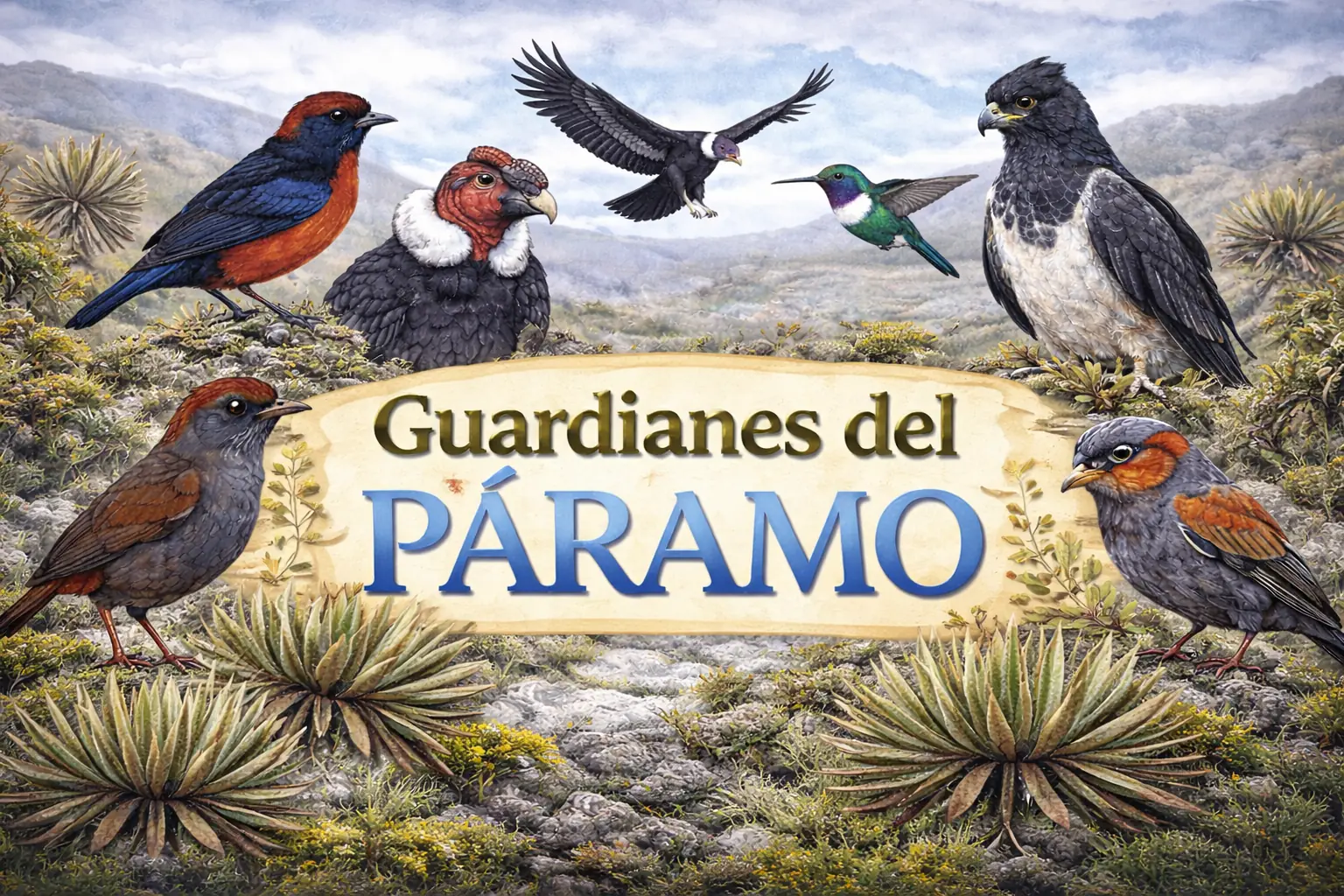
Andean Condor, Bogotá Rail, Sword-billed Hummingbird, Black-billed Mountain Toucan, Bearded Helmetcrest, Cundinamarca Antpitta, Yellow-eared Parrot and many more páramo species.
Guardians of the Páramo is made up of two students committed to the conservation of Chingaza National Natural Park (PNN Chingaza), a territory essential for biodiversity and the ecological balance of the region. Our work arises from the integration of a graduation thesis with a productive project, driven by the interest in contributing real solutions and awareness to the environmental challenges of the Cundinamarca territory, combining academic, biological, and informational knowledge with digital tools.
As a team, we focus on the study, dissemination, and conservation of the avifauna of PNN Chingaza, understanding that birds are key indicators of environmental behavior and serve as an attractive gateway to bring the community closer to the importance of páramo conservation and the protection of these species.
Under an Education 2.0 approach, through photographs, videos, video games, and educational materials, we develop strategies to promote learning about the stewardship of our natural resources, territory, and citizen participation in conservation.
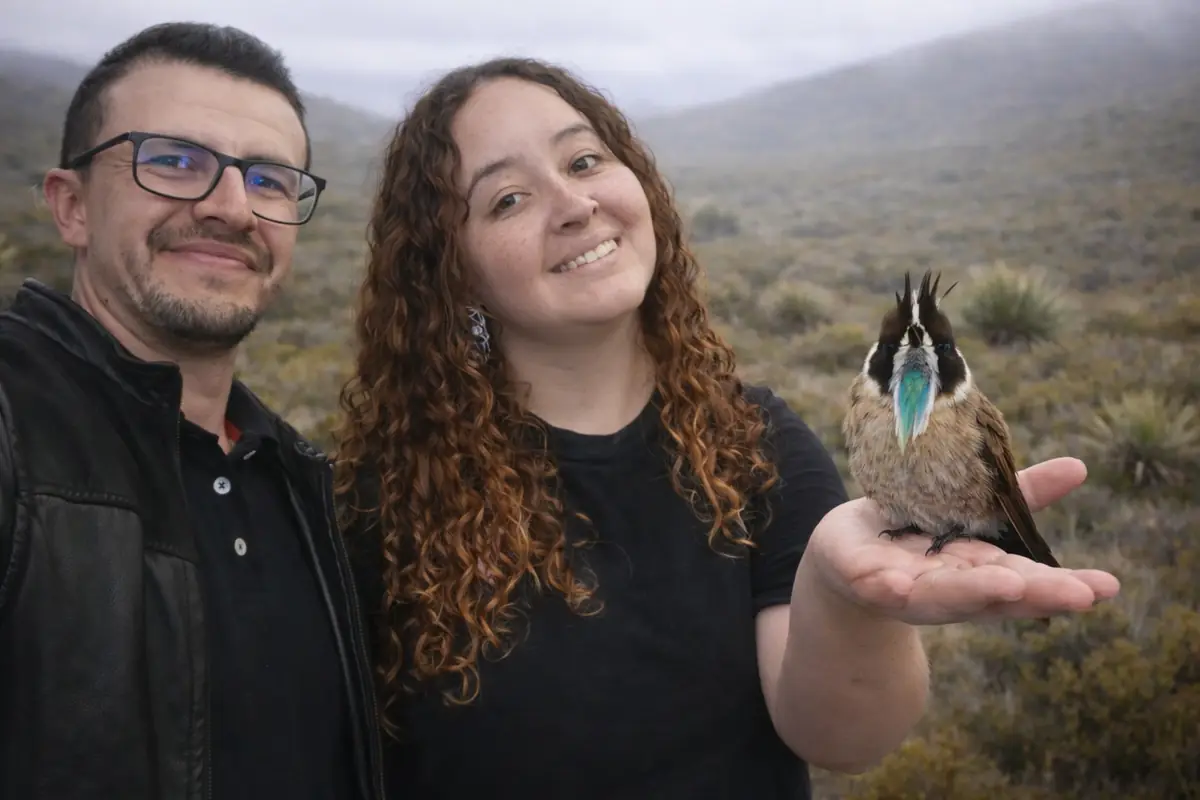
Our purpose is to contribute, through science and education, to the conservation of one of the most valuable ecosystems in our country, and to the development of environmental awareness that is accessible, sustainable, and above all understandable for both children and adults.
We are Guardians!
The website focuses exclusively on the conservation of birds in Chingaza National Natural Park and is conceived as an educational source aimed at all types of audiences interested in learning about bird conservation and gaining deeper knowledge about the park.
The dissemination strategies are primarily based on audiovisual resources, in order to make the content more engaging and accessible for both children and adults, as well as for people with reading difficulties or visual impairments. Likewise, the platform is designed for international audiences, as it offers content not only in Spanish but also in English and Portuguese.
The project focuses on 39 bird species that inhabit PNN Chingaza, prioritizing those that are endangered, species with high presence in the páramo ecosystem, and endemic birds. For each of these species, relevant information is collected and presented, highlighting key aspects that allow users to better understand them and recognize their importance, even as a reference when visiting the park.
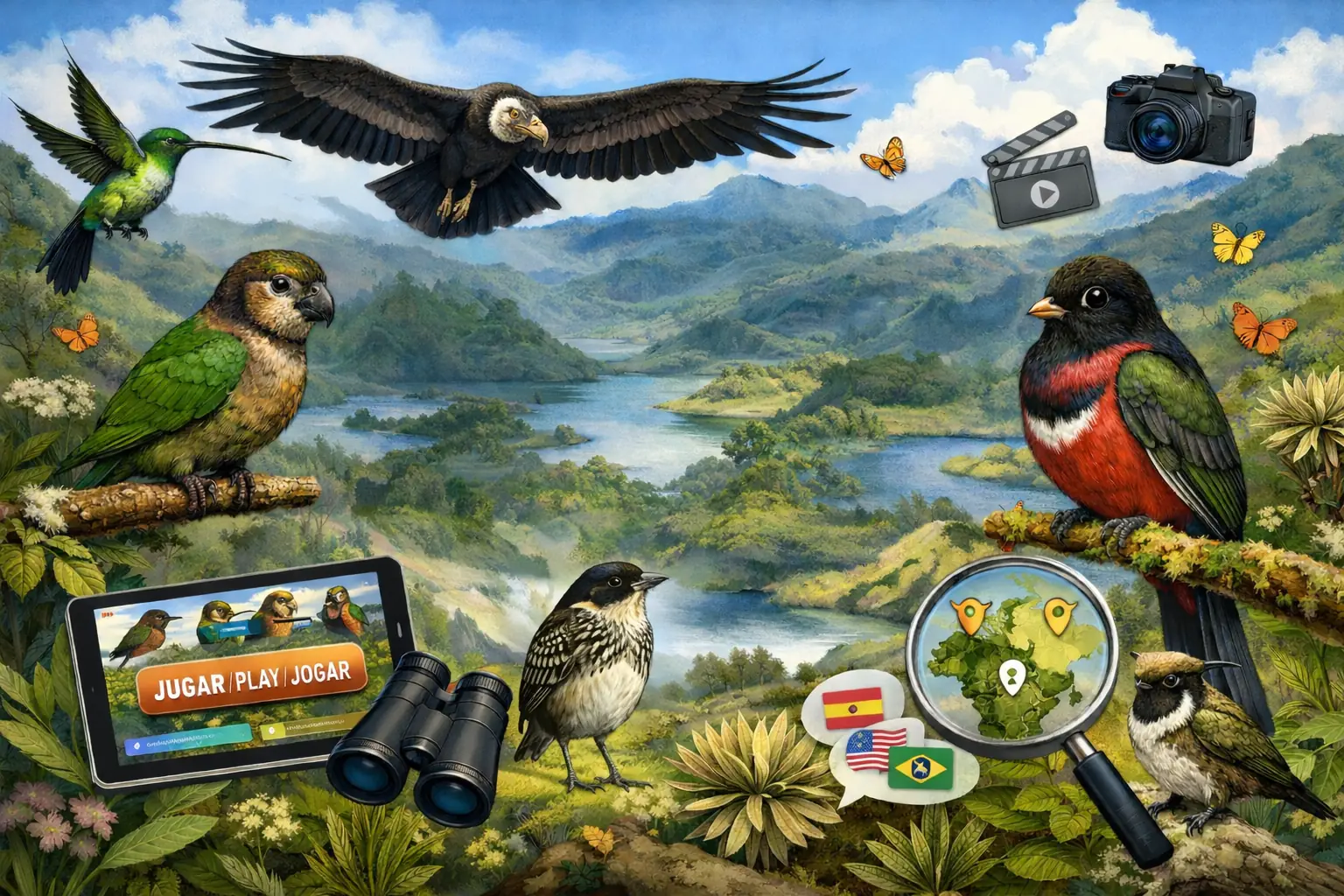
It is important to highlight that the website is not limited to browser use only, as it can be installed as a mobile application that includes push notifications to inform users about updates and new content. Both the website and the application include interactive games that are fully functional on both platforms. These games primarily focus on educational concepts while also incorporating recreational dynamics, with the aim of attracting teenagers and younger children, thus facilitating access to these tools and progressively fostering their interest in conservation and environmental content.
Go out birdwatching and record what you see on citizen-science platforms such as iNaturalist or eBird: your records help us learn where species live.
Tell someone about the Yellow-eared Parrot, the wax palm or the water that flows down from the páramo. Every conversation counts.
If you go to Chingaza, plan your visit, book in advance and follow the park’s rules so you don’t disturb the birds.
Do you have questions, photos or ideas for the project? Write to us: they help us improve this site.
Guardianes del Páramo grew out of the undergraduate thesis of Angie Tatiana Rojas Rincón (Bachelor’s in Biology, Universidad Pedagógica Nacional, 2025). Here you will find the sources that support the content of this site and the image credits.
Rojas Rincón, A. T. (2025). Conservación de la avifauna del Parque Nacional Natural Chingaza: una propuesta pedagógica y biológica de conservación 2.0 mediante la página web “Guardianes del Páramo” [Bachelor’s thesis, Universidad Pedagógica Nacional].
Las fotografías de aves fueron adaptadas, encuadradas y retocadas digitalmente para el proyecto. Los derechos de cada imagen pertenecen a sus autores. Si eres autor o autora de alguna y quieres corregir el crédito o solicitar su retiro, escríbenos a guardianesdelparamoch@gmail.com.
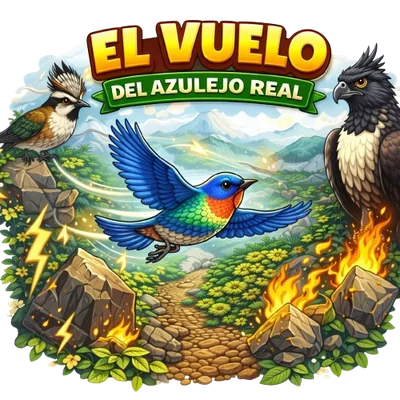
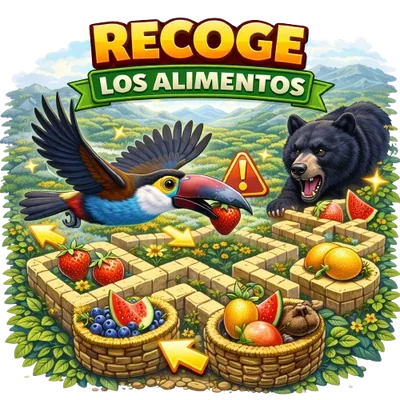
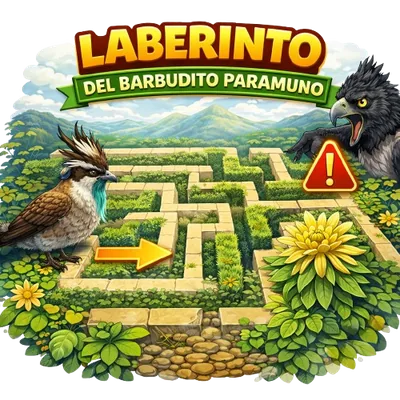
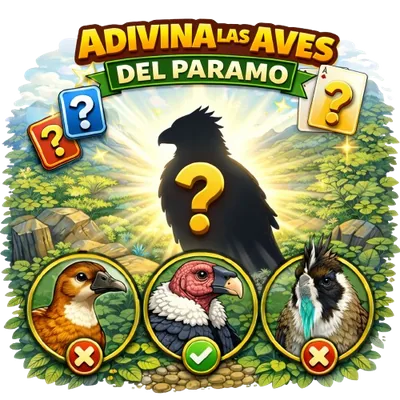
In this section you will find a collection of interactive educational games designed to learn in a dynamic way about Chingaza National Natural Park, its birds, and the ecological processes that sustain this unique ecosystem. Through memory, logic, exploration, reflection, skill, and decision-making challenges, players face situations that simulate the real-life dynamics of species and their relationship with the environment.
The games invite you to think like a bird, act like a guardian, and understand the consequences of every action, strengthening skills such as observation, critical thinking, coordination, and environmental awareness. Some activities test knowledge, others dexterity or analytical ability, but all share the same goal: learning through play and fostering empathy for páramo biodiversity.
This collection is constantly growing, incorporating new experiences that expand the ways to learn, explore, and protect the high-Andean territory.